Due to a recent change in our pharmacy software system, the process for submitting refill requests online has now changed.
Our previous mobile app and your current login credentials will no longer work.
Please click the Patient Portal tab to begin the new process.
Thank you for your patience during this transition.
Patient Resources
Get Healthy!
Study Finds Little Proof Cannabis Helps Most Mental Health Conditions
- March 18, 2026
- HealthDay Staff HealthDay Reporter
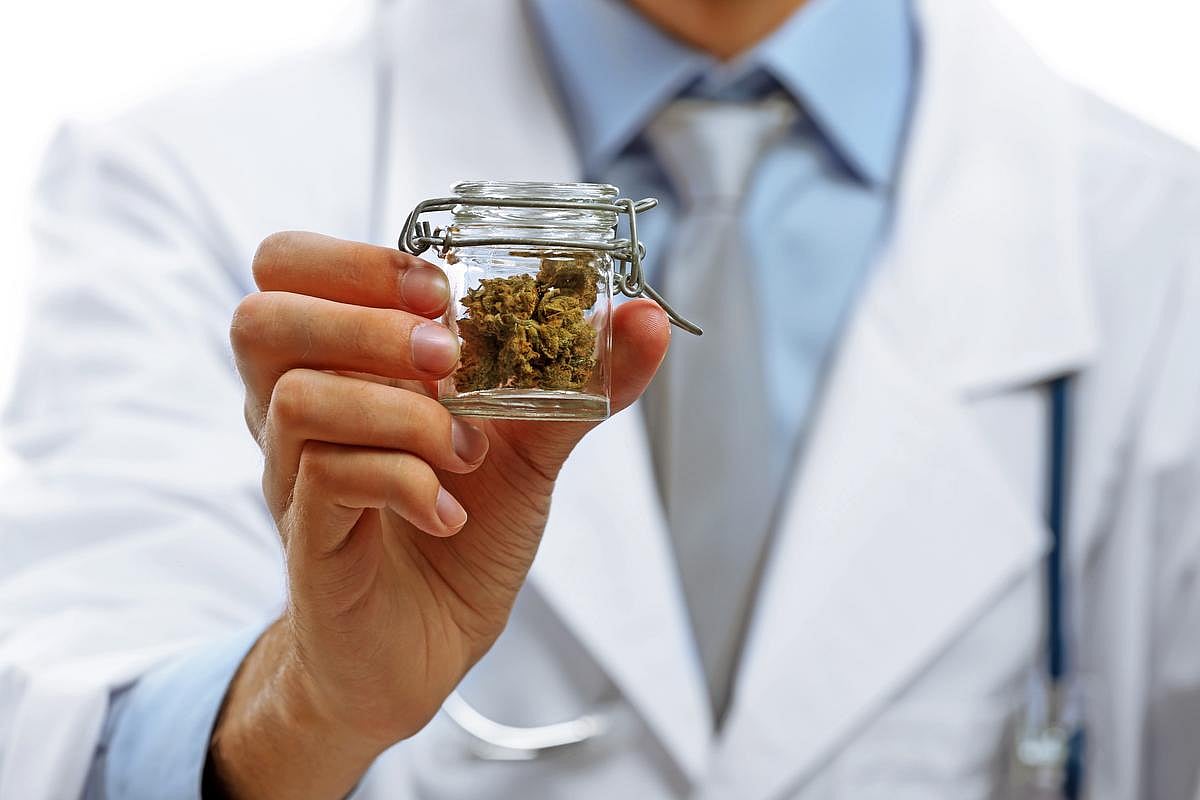
Cannabis-based medications are often used to treat mental health problems, but a new review suggests they may not work as well as many people hope.
Researchers looked at decades of studies and found little evidence that cannabis helps with most mental health or substance-use disorders.
The findings come from a review -- published March 16 in The Lancet -- of 54 randomized clinical trials involving 2,477 people. The studies were conducted between 1980 and May 2025.
Cannabis products are widely used in countries like the U.S., Canada and Australia. Many people turn to them for conditions such as anxiety, post-traumatic stress disorder (PTSD) and sleep problems.
But when researchers reviewed the data, they did not find strong proof that these treatments help with many of those conditions.
“Some people may experience legitimate benefits, and that's great,” lead author Jack Wilson, a postdoctoral reserach fellow at the University of Sydney, told KSL. "But when we look at the evidence as a whole, we just don't see that the evidence is quite there for the routine use of these medicines."
The review found no meaningful improvement for several widely treated conditions, including:
Anxiety disorders
Psychotic disorders
PTSD
Opioid-use disorder
Researchers also found no randomized trials at all evaluating cannabis for depression.
The study did find some promise for certain conditions, however.
A mix of CBD and THC, the main compounds in cannabis, was linked to reduced withdrawal symptoms and lower use in people with cannabis-use disorder.
There was also some evidence that cannabinoids may help:
Reduce tics in people with Tourette’s syndrome
Improve sleep in people with insomnia
Reduce certain traits linked to autism
But researchers said the evidence for these benefits was low.
As the use of medical cannabis grows, researchers said better studies are needed to understand when, and if, it truly helps.
“We clearly need to do more research on medical cannabis, particularly for those conditions that have limited alternative treatments,” Wilson said.
More information
Harvard Medical School has more on cannabis and the brain.
SOURCE: KSL, March 16, 2026
