Due to a recent change in our pharmacy software system, the process for submitting refill requests online has now changed.
Our previous mobile app and your current login credentials will no longer work.
Please click the Patient Portal tab to begin the new process.
Thank you for your patience during this transition.

Recursos del Paciente
Manténgase sano!
Smartwatch App Accurately Detects Major Epileptic Seizures
- May 28, 2026
- Dennis Thompson HealthDay Reporter
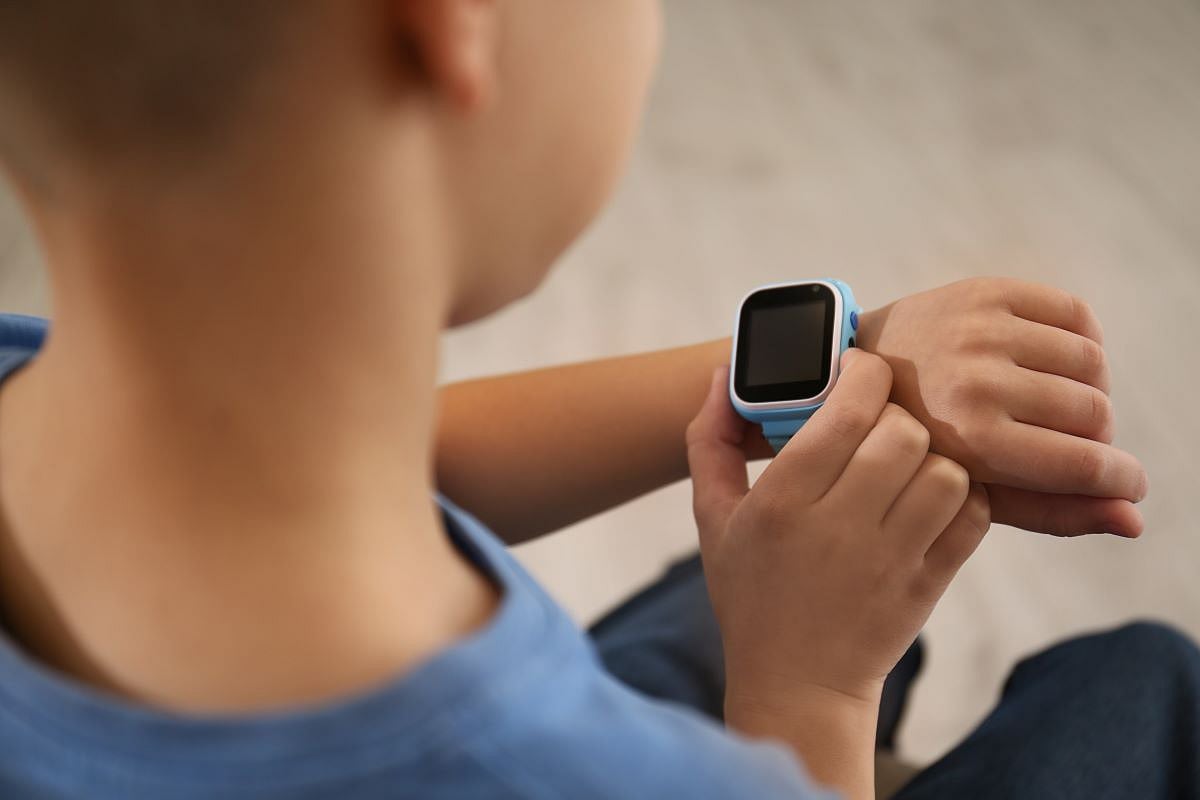
A new smartwatch app can accurately detect major epileptic seizures, sending an alert and potentially reducing risk of death, according to a new study.
The EpiWatch smartwatch app accurately detected 46 out of 47 tonic-clonic seizures – also known as grand mal seizures – among a group of people with epilepsy, researchers reported May 27 in the journal Neurology Open Access.
“For people who have uncontrolled tonic-clonic seizures, which can include a loss of muscle tone and airway obstruction, the risk of sudden unexpected death in epilepsy, called SUDEP, is high, particularly for those who sleep alone,” said researcher Dr. James Wheless, director of the Neuroscience Institute and Le Bonheur Comprehensive Epilepsy Program at Le Bonheur Children's Hospital in Memphis, Tennessee.
“Wearable seizure detection devices can alert caregivers so they can provide first aid, but some devices have high false alarm rates that can discourage use and timely intervention,” Wheless said in a news release. “Our study found the EpiWatch smartwatch app detected nearly all tonic-clonic seizures in participants and had a lower rate of false alarms.”
Researchers tested the app on 242 adults and children with epilepsy, all of whom had a history of or risk for tonic-clonic seizures. Participants wore the smartwatch for an average of more than two days in a specialized hospital unit, where they also were monitored using EEG devices. Here's what the study found:
A total of 83 people had some sort of seizure that involved muscle activity, and 37 experienced one or more tonic-clonic seizures.
The app detected 46 of 47 tonic-clonic seizures.
One seizure was missed because a caregiver was restraining a patient’s arm.
Over 16,000 hours of monitoring, there were 56 false alarms – about one false alarm every 12 days.
That’s 90% lower than the rate of other seizure detection devices.
Of all the participants, 87% had no false alarms, 9% had one and 4% had two or more. About 35 of the false alarms were associated with activities that involved repetitive movements like playing video games.
Overall, the app accurately detected tonic-clonic seizures 98% of the time, compared to 76% to 94% for other devices.
Researchers said people with epilepsy also are likely to find it easier to wear a smartwatch.
“Wearing some seizure-monitoring devices may carry a stigma, but using a common smartwatch with an app does not, which is important for encouraging regular use,” Wheless said.
“Being prescribed an app with fewer false alarms can encourage long-term use and provide reliable caregiver alerts to help reduce sudden unexpected deaths and other risks associated with tonic-clonic seizures,” he added.
The study was funded by EpiWatch Inc., developer of the app.
More information
The Epilepsy Foundation has more on tonic-clonic seizures.
SOURCE: American Academy of Neurology, news release, May 27, 2026
